Department of Management and Engineering (IEI)

The Department of Management and Engineering (IEI) strengthens and develops tomorrow’s industry, business world and society by ground-breaking research, education and innovation.

Our teaching and research cover a broad spectrum of fields from economics and management to technology and design. We are a department that sees innovation, development and innovation as fundamentally necessary to strengthen a sustainable society. Collaboration and dialogue permeate our operations, making positive and productive relationships with companies and other organisations possible. This in turn helps to make our students highly sought-after, and ensures that research can be used to increase competitiveness and sustainability.

The Department of Management and Engineering has more than 500 co-workers and 19 divisions. More than 9,000 students take our courses and programmes every year.

Our co-workers are the driving force for our unceasing improvement.

By creating a feeling of ‘togetherness’, we create the conditions required for all to flourish and grow – and this in turn contributes to genuine commitment.

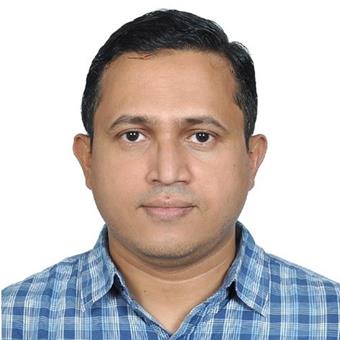
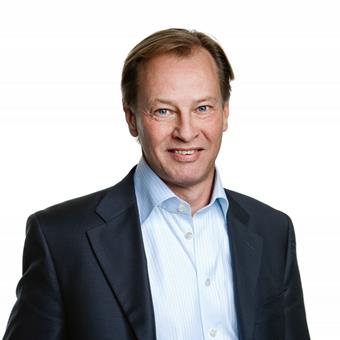
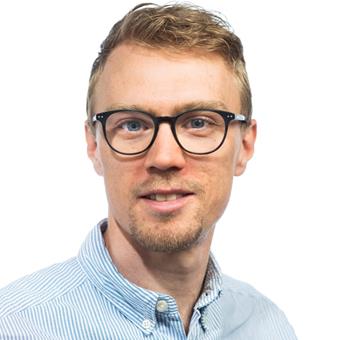
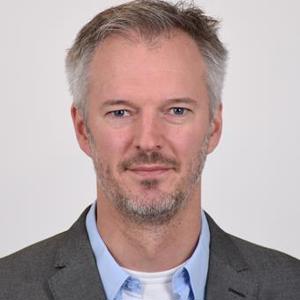
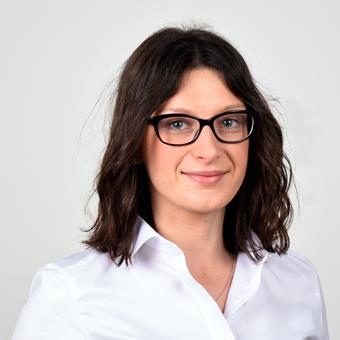
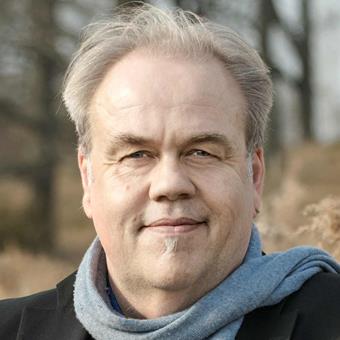
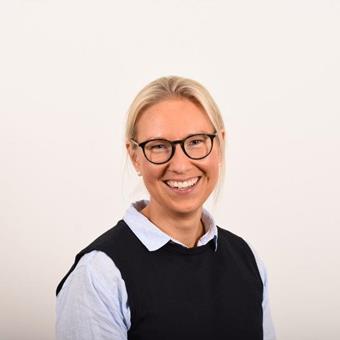
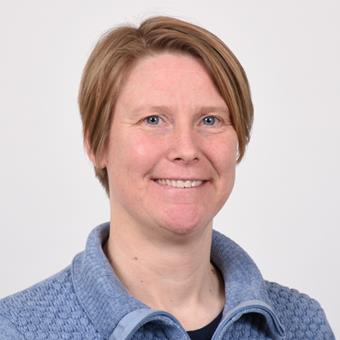
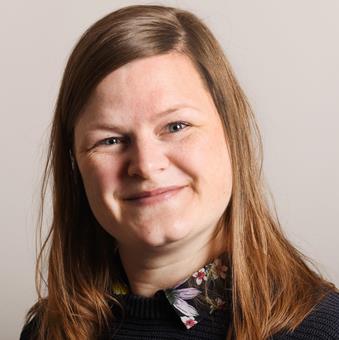
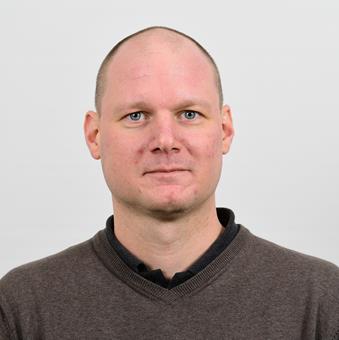
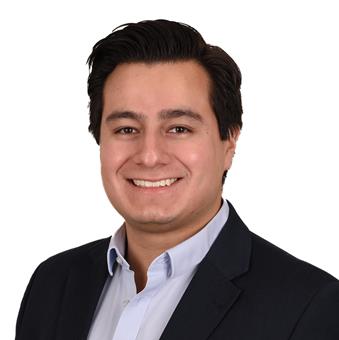
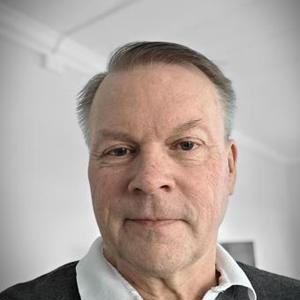
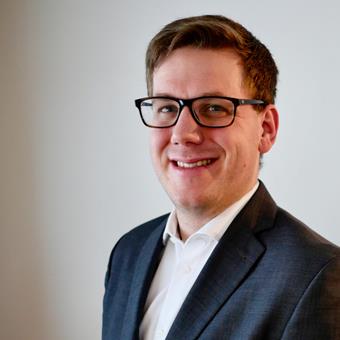
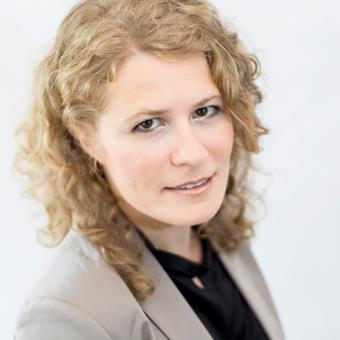
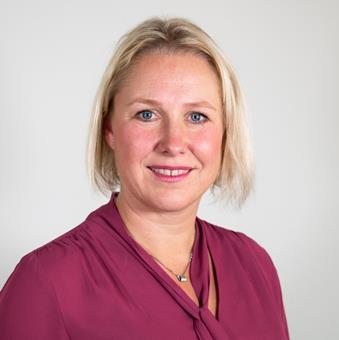
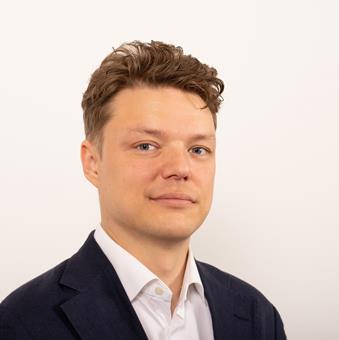
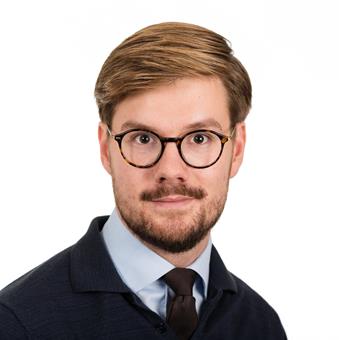
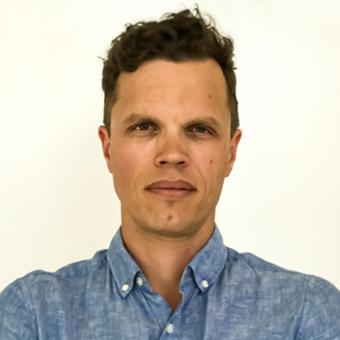
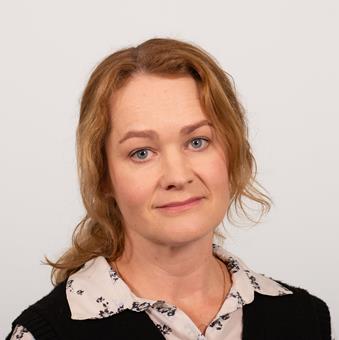
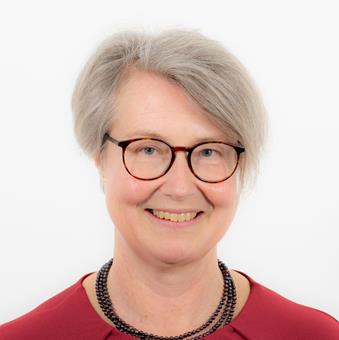
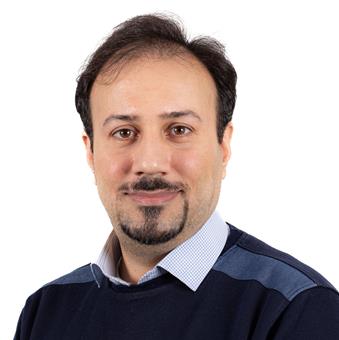
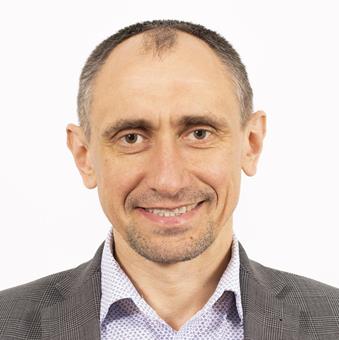
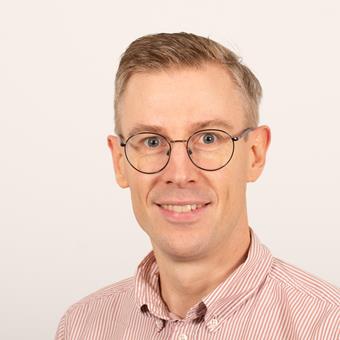
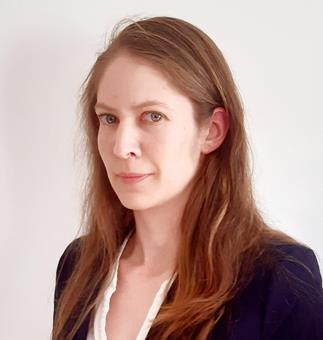
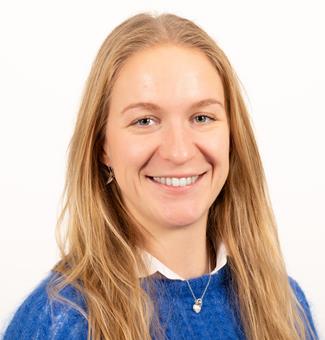
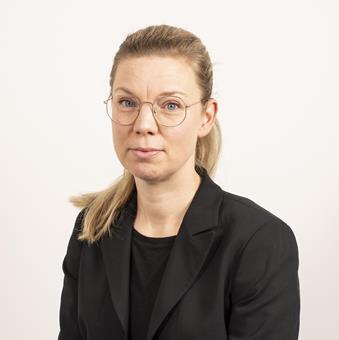
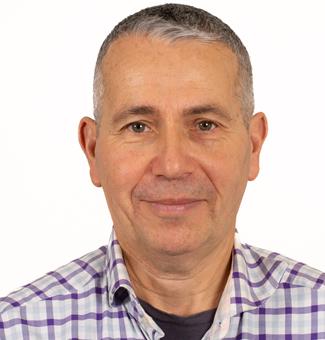
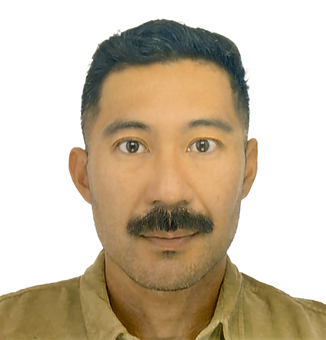
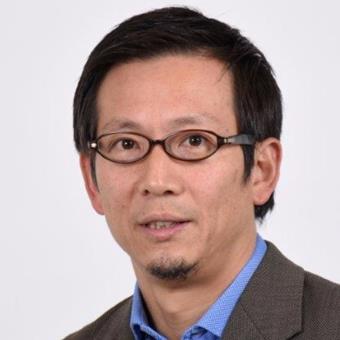
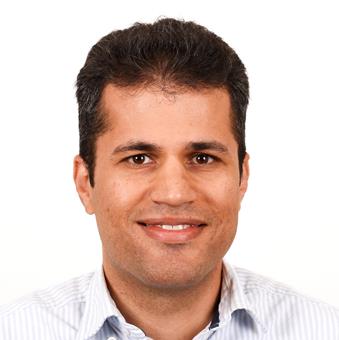
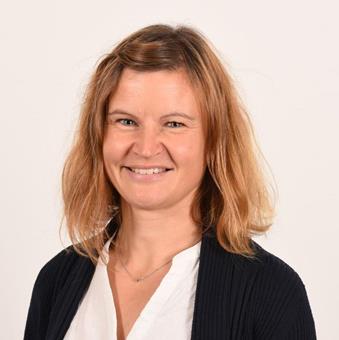
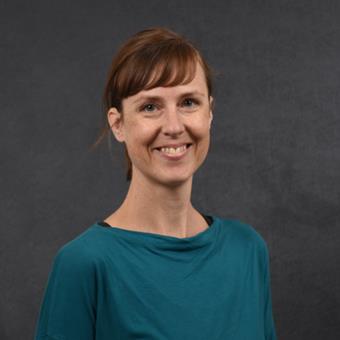
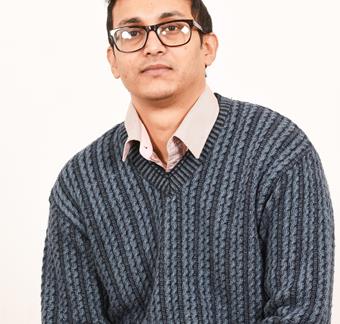
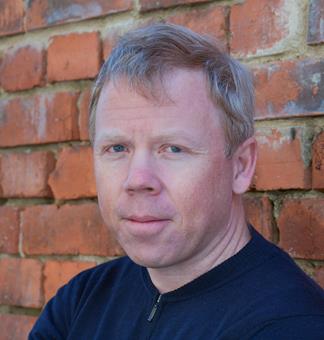
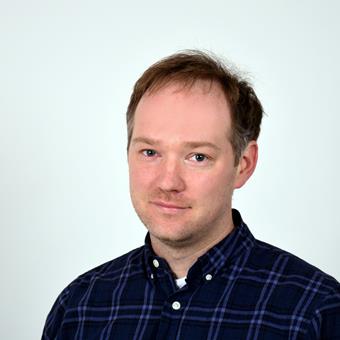
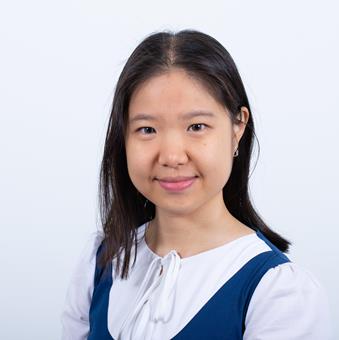
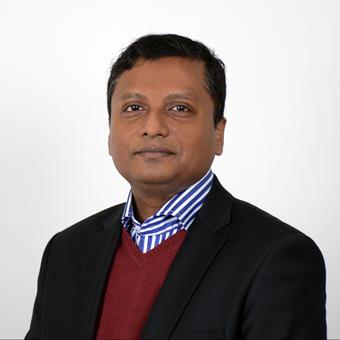
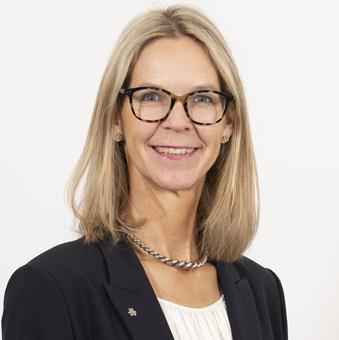
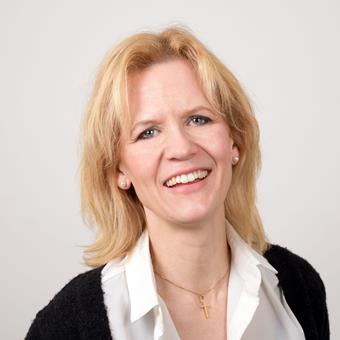
Head of Department, IEI

News

En man som står bredvid en maskin i en fabrik.

11 November 2026

The same mathematics can guide robots and help create the meatballs of the future

What do robots stacking boxes and the meatballs of the future have in common? More than you might think. In his doctoral thesis, Anan Ashrabi Ananno shows how mathematical models can help solve complex problems in very different fields.

Män i laboratoriemiljö.

05 November 2026

Graphene helps flax fibres resist water

Replacing glass fibre with flax fibre could reduce the carbon footprint of products such as boats. But natural fibres are very sensitive to water and humidity. LiU tests show that coating the fibres with graphene oxide could reduce water absorption.

A close up of a fly on a white surface.

05 November 2026

From social networks to the fruit fly brain

How are the neurons in a fruit fly’s brain connected? Carl Nordlund at Linköping University will investigate this using knowledge and tools from his research on social networks.

Group photo, men and women.

26 October 2026

Research aims to help surplus food reach those who need it

In a new LiU project, researchers are investigating how technology and logistics can help surplus food reach those who need it most. For instance, they will study transport processes, food handling, visual sensing technology and cybersecurity.

A woman standing in front of a blue building.

22 October 2026

5 minutes with Olena Hołubowska

Meet Olena Hołubowska, a visiting fellow at SweCSS whose research explores urban segregation beyond where people live. Using mobility data, surveys and administrative registers, she studies the places people spend their time in everyday life.

Two men standing next to each other in front of a sign.

22 October 2026

International award for research on bus transport

Research into what drives the cost of bus transport has received an international award. The study can contribute to a better understanding of how procurement requirements affect both costs and the environment.

Calender

Research

Extensive research in many fields is carried out at IEI, ranging from the social sciences to technology. Central fields are sustainability, the circular and behaviour-based economy, management, goods and services production, digitalisation, technical systems and processes, and the development of operations, products and services.

Much of the research is carried out in close collaboration with the society around us, with the expressed goal of translation and utilisation. Research is often multidisciplinary and interdisciplinary, and is characterised by creative collaboration in which researchers from different disciplines work together. The methods used in IEI research are distinguished by the diversity and breadth of analysis methods and types of data.

Explore our research – you’ll be stimulated.

Mats Abrahamsson

Collaboration and system perspective in IEI’s research

Collaboration with society, multidisciplinary and applied research. Diversity and width – and a great potential to contribute to the shift towards a sustainable society. That is a few things that characterises the research at IEI.

Research projects

Trwo habds reaching towrds each other. AI created image.

Artificial Intelligence and Retail Management - Exploring strategies for value creation in the age of AI transformations

AI is transforming retail, but many struggle to take advantage of it. Our project helps companies understand and effectively use AI to maximize business value, innovation, and profitability.

A group looking at a biogas plant.

New business models for digestate value extraction and nutrients circulation

We explore new business models to maximise the value of digestate and promote the recycling of nutrients. The project aims to identify key changes needed for more sustainable and profitable management of digestate.

Novel materials design for defect free additive manufacturing of difficult to weld Ni-based alloys.

MADAM

3D printing has almost unlimited design flexibility, and has the potential to revolutionize the manufacturing industry. However, the number of suitable alloys are limited. This research project aims to develop superalloys, tailored for 3D printing.

Education

A department with a broad spectrum of its education – from economics and management to technology and design.

IEI offers courses at both basic and advanced (master’s) levels.

Teaching in the department is characterised by deep knowledge of the subject and high quality, in close collaboration with industry and organisations in the region. Our students have ample opportunities to apply their theoretical knowledge to practical work in our modern workshops and laboratories.

Are you interested in gaining new expertise? Take one of our 200 single-subject courses. We also offer tailored commissioned education. Contact the relevant division for more information.

International master's programmes

Business Administration - Strategy and Management in International Organisations, Master's Programme, 120 credits

Aims to equip future leaders with good judgement and an ability to make well-balanced decisions. Combines fundamental thinking, reasoning and skills to prepare students to go beyond applying known solutions to known problems.  International focus.

Flagpoles with flags and a building in the background

International and European Relations, Master's Programme, 120 credits

European relations in the international society and global governance, with focus on Europe’s role in world affairs. Topics include international law and security, European institutions and external relations, research design and methodology.

Group of students in lab looking at computer monitor

Mechanical Engineering, Master's Programme, 120 credits

This programme covers the entire product development cycle, from idea to the final product. With five specialisations and close industry collaborations, you will be qualified for work in any field of development, engineering or manufacturing.

Research Education

Doctoral studies, also referred to as research education, are demanding and consist of courses, independent studies, research, and, in many cases, teaching at both undergraduate and postgraduate levels. To thrive as a doctoral student, you need to be independent, driven, and capable of formulating and analysing scientific problems.

At the Department of Management and Engineering, there are approximately 250 teachers and researchers, along with over 100 doctoral students across two faculties. Research is conducted in a wide range of fields, from economics and management to technology and design.

Welcome to learn more about our doctoral studies!

Articles about research education and life as doctoral student

Articles about research education and life as doctoral student

Man holding up and inspecting a chair.

From painter to PhD student

Family life came early for PhD student Petter Alsén. Shortly after finishing upper secondary school, he became a father, and he began working as an apprentice painter in the construction industry. Nine years later, he called his boss.

Anan Ashrabi Ananno during Google Cloud's AI Hackaton

PhD student wins Sweden’s largest AI hackathon — alone

Anan Ashrabi Ananno, a PhD student at Linköping University (LiU), won Google Cloud's Hack with AI on Manufacturing Challenge, working entirely on his own. The event was part of Google Cloud’s launch of a new data center in Sweden.

Portrait of Vlatko Milic.

"Solving a technical challenge is what drives me"

Uppsala or Linköping? Vlatko Milic chose LiU 14 years ago. Staying on after his studies, doing a PhD and being employed as a researcher was not an obvious path. Now, he has started a research project that could increase Swedish resilience.

Collaboration at IEI

Collaboration with companies and organisations outside of the university is an important part of operations at IEI, and has been since the department was formed. Collaboration allows IEI researchers to contribute to the development of companies and society, while at the same time obtaining valuable knowledge and experience. In other words – a win-win situation.

Collaborate with IEI – you’ll benefit from it!

Olof Hjelm, Industriell miljöteknik (tvåa från vänster) tillsammans med Johan Rydberg, Cleantech Östergötland, Nathali Vivas, Energifabriken AB och Teodor Hovenberg, Envista AB.

Collaboration at IEI

IEI’s collaboration with the business world, public organisations and society in general translates knowledge into utilisation. Productive collaboration benefits both you and us at IEI.

Latest about collaboration

A city with a lot of connected devices above it.

SeGRID

SeGRID is currently paused, but you can explore this page to learn more about the course and its previous activities. SeGRID was part of the Swedish Institute SAYP programme and has welcomed participants from the Western Balkans and Eastern Europe.

Män i laboratoriemiljö.

Graphene helps flax fibres resist water

Replacing glass fibre with flax fibre could reduce the carbon footprint of products such as boats. But natural fibres are very sensitive to water and humidity. LiU tests show that coating the fibres with graphene oxide could reduce water absorption.

Group photo, men and women.

Research aims to help surplus food reach those who need it

In a new LiU project, researchers are investigating how technology and logistics can help surplus food reach those who need it most. For instance, they will study transport processes, food handling, visual sensing technology and cybersecurity.

Contact us

Department management

Co-workers

Address

Visiting Address

Department of Management and Engineering

Hans Meijers väg
A Building, entrance 19
Campus Valla
Linköping, Sweden

Postal Address

Linköping University
Department of Management and Engineering
SE-581 83 Linköping
Sweden

Visit one of our campuses